
AWS-Certified Welding: What It Means & Why It Matters for Your Project
If you’re managing a construction project, overseeing facility maintenance, repairing industrial equipment, or planning a structural metal upgrade, AWS-Certified Welding and the quality of the welding work can have a direct impact on safety, durability, and long-term performance.
Understanding the Importance of AWS Welding Standards
That’s why many organizations look for welding services that follow established industry standards. One of the most recognized authorities in the industry is the American Welding Society (AWS), which develops standards, qualifications, and best practices designed to promote consistent welding quality and reliability.
Understanding what AWS-certified or AWS-aligned welding means can help project owners, contractors, facility managers, and commercial operators make more informed decisions when selecting a welding provider.
What Is AWS-Certified Welding?
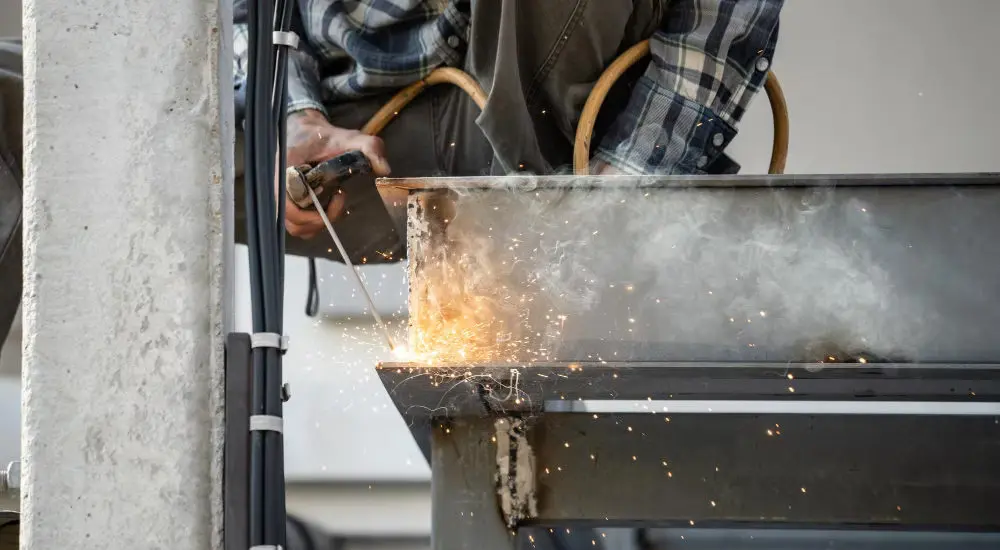
AWS-certified welding generally refers to welding performed by qualified professionals using recognized procedures and documentation that align with standards established by the American Welding Society.
For projects where safety, compliance, and repeatable results are important, AWS-aligned practices, Welding Standards and Certification Programs can provide an added layer of confidence.
Why Do Welding Standards Matter?
Not all welding projects have the same requirements. A decorative metal project may have different expectations than Structural steel repairs, Commercial construction projects, Industrial facilities, Marine environments, Heavy-equipment repairs, Accessibility systems such as ramps and handrails.
In many applications, welding quality can affect not only performance but also inspection outcomes, maintenance costs, and asset lifespan. By following recognized welding procedures and quality-control practices, organizations can reduce risk while improving consistency across projects. These standards help ensure that welding work is performed consistently and that proper controls are in place for:
- Welding quality
- Material compatibility
- Procedure consistency
- Inspection readiness
- Documentation and traceability
- Long-term structural reliability
Key Benefits of AWS-Aligned Welding Services
Improved Quality Control
One of the primary advantages of AWS-certified welding services is consistency.
Established procedures help ensure that welding is performed using appropriate methods, materials, and parameters, contributing to dependable results across different projects and environments.
Inspection Readiness
Many commercial and industrial projects require inspections, audits, or third-party review. Following documented procedures can help ensure that projects are prepared for:
- Internal quality reviews
- Owner inspections
- Third-party verification
- Regulatory requirements
- Contractual obligations
Addressing these requirements early can help minimize delays and costly rework.
Long-Term Structural Reliability
Properly executed welding procedures contribute to the long-term performance of structures and equipment. This is particularly important in demanding environments such as:
- Industrial facilities
- Manufacturing operations
- Marine applications
- Transportation infrastructure
- Coastal Florida environments exposed to moisture and corrosion
Reduced Risk
Projects that utilize documented welding procedures and qualified personnel often experience fewer issues related to:
- Inconsistent workmanship
- Failed inspections
- Procedure deviations
- Documentation gaps
- Repair and remediation costs
What Are Welding Inspections and Why Are They Important?
Welding inspections play a critical role in verifying that completed work meets project specifications and accepted standards. Inspection services may involve reviewing:
- Welding procedures
- Material specifications
- Visual weld quality
- Documentation records
- Qualification records
Many organizations coordinate with AWS-certified Welding Inspectors (CWIs) when independent verification is required. Inspection support can be especially valuable for contractors, facility managers, industrial operators, regulated industries and compliance-sensitive projects.
By identifying potential issues early, inspection processes can help reduce delays and support successful project completion.
Understanding Welder Qualification Testing
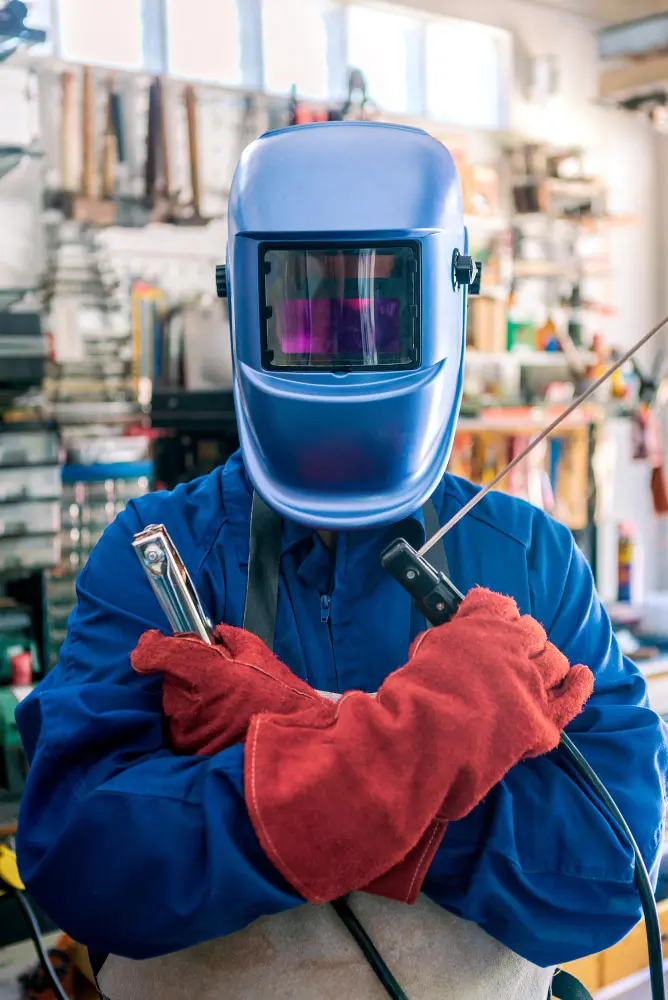
A common misconception is that all welders are automatically qualified for every type of welding application. In reality, qualification testing is often used to verify a welder’s ability to perform specific welding processes under defined conditions. Welder qualification testing helps confirm:
For projects involving structural, commercial, industrial, or regulated work, welder qualifications can be an important component of quality assurance.
- Skill proficiency
- Process knowledge
- Procedure compliance
- Readiness for project requirements
- Inspection preparedness
What Are WPS and PQR Documents?
Two commonly referenced terms in compliance-driven welding environments are:
WPS (Welding Procedure Specification)
A WPS outlines the approved welding methods, parameters, materials, and techniques to be used during a project. Think of it as a documented roadmap that helps ensure welding is performed consistently.
PQR (Procedure Qualification Record)
A PQR documents testing and results that demonstrate a welding procedure can produce acceptable outcomes. Together, WPS and PQR documentation help support:
- Consistency
- Traceability
- Quality assurance
- Inspection readiness
- Long-term process control
These documents are frequently required for projects involving code-driven or specification-driven welding work.
Who Typically Benefits from AWS-Aligned Welding Services?
AWS-certified welding services are commonly used across numerous industries, including:
Construction & Contracting
Contractors often rely on documented procedures and qualified welding practices to meet project requirements and maintain workflow efficiency.
Facility Management
Maintenance teams responsible for structural repairs, platforms, stair systems, access equipment, and safety infrastructure frequently benefit from documented welding processes.
Commercial & Industrial Operations
Facilities that depend on equipment reliability and long-term structural performance often prioritize consistency and inspection readiness.
Marine Applications
South Florida’s marine environment presents unique challenges related to corrosion, vibration, and continuous exposure to moisture. Consistent welding procedures can play an important role in long-term durability.
Regulated Industries
Industries that require documentation, audits, inspections, or formal quality-control programs often rely on AWS-aligned practices to support compliance requirements.
Choosing a Welding Provider
When evaluating welding providers, it’s worth asking several important questions:
- Do they follow recognized welding procedures?
- Can they support inspection requirements?
- Do they provide documentation when needed?
- Do they have experience with commercial and industrial applications?
- Can they support qualification and compliance-related requirements?
The answers can make a significant difference in project quality, approval timelines, and long-term performance.
AWS-Certified Welding Services in South Florida
For organizations throughout Miami-Dade, Broward, and Southern Palm Beach County, AWS-aligned welding services can help support projects where professional standards, consistency, and documentation are important. MCM Welding provides AWS-focused support services including:
- Welding inspection support
- AWS Certified Welding Inspector (CWI) coordination
- Welder qualification testing support
- WPS and PQR documentation assistance
- Procedure compliance guidance
- Quality-control and inspection readiness support
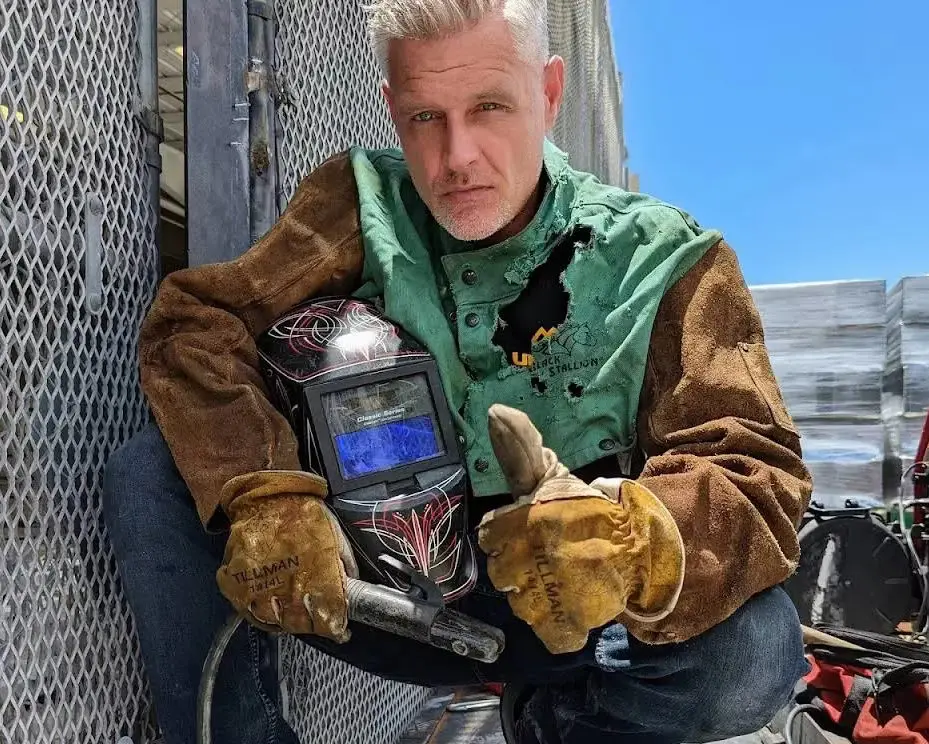
These AWS-certified welding services are designed to help contractors, facility managers, commercial operators, and industrial organizations maintain confidence in their welding operations while supporting long-term reliability and safety.
Final Thoughts
Welding quality is about more than joining metal together. For many projects, it involves procedure control, documentation, inspection readiness, and long-term performance. By understanding the role of AWS-certified welding practices, qualification testing, inspections, and documented procedures, project owners and managers can make better decisions that help reduce risk and improve outcomes.
If you’re overseeing a construction project, managing an industrial facility, or maintaining critical infrastructure, choosing a AWS-certified welding provider that prioritizes quality, consistency, and compliance can contribute significantly to the success of your project.